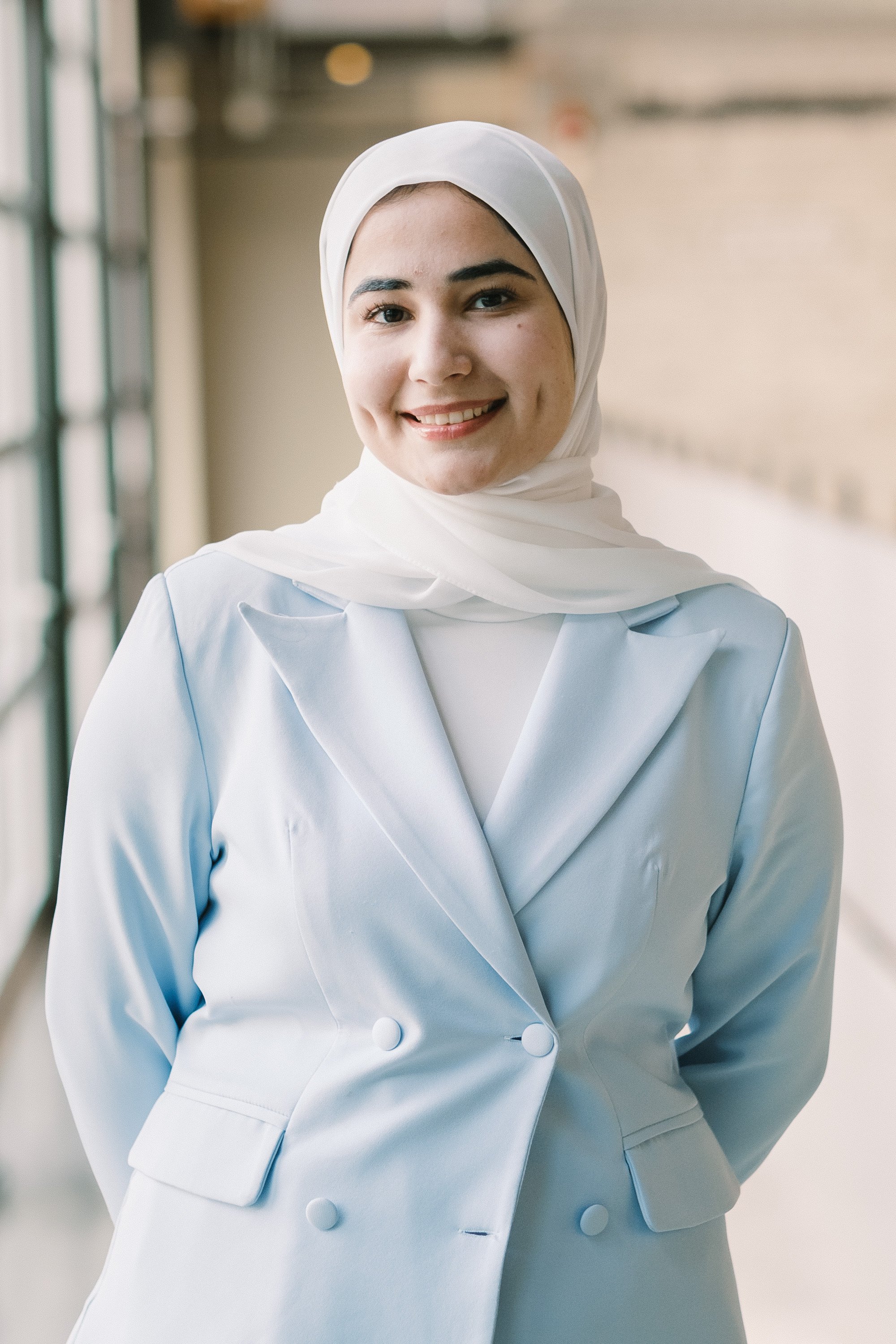
Discovering Toronto Through a Newcomer’s Lens: Art, Urbanism, and Connection
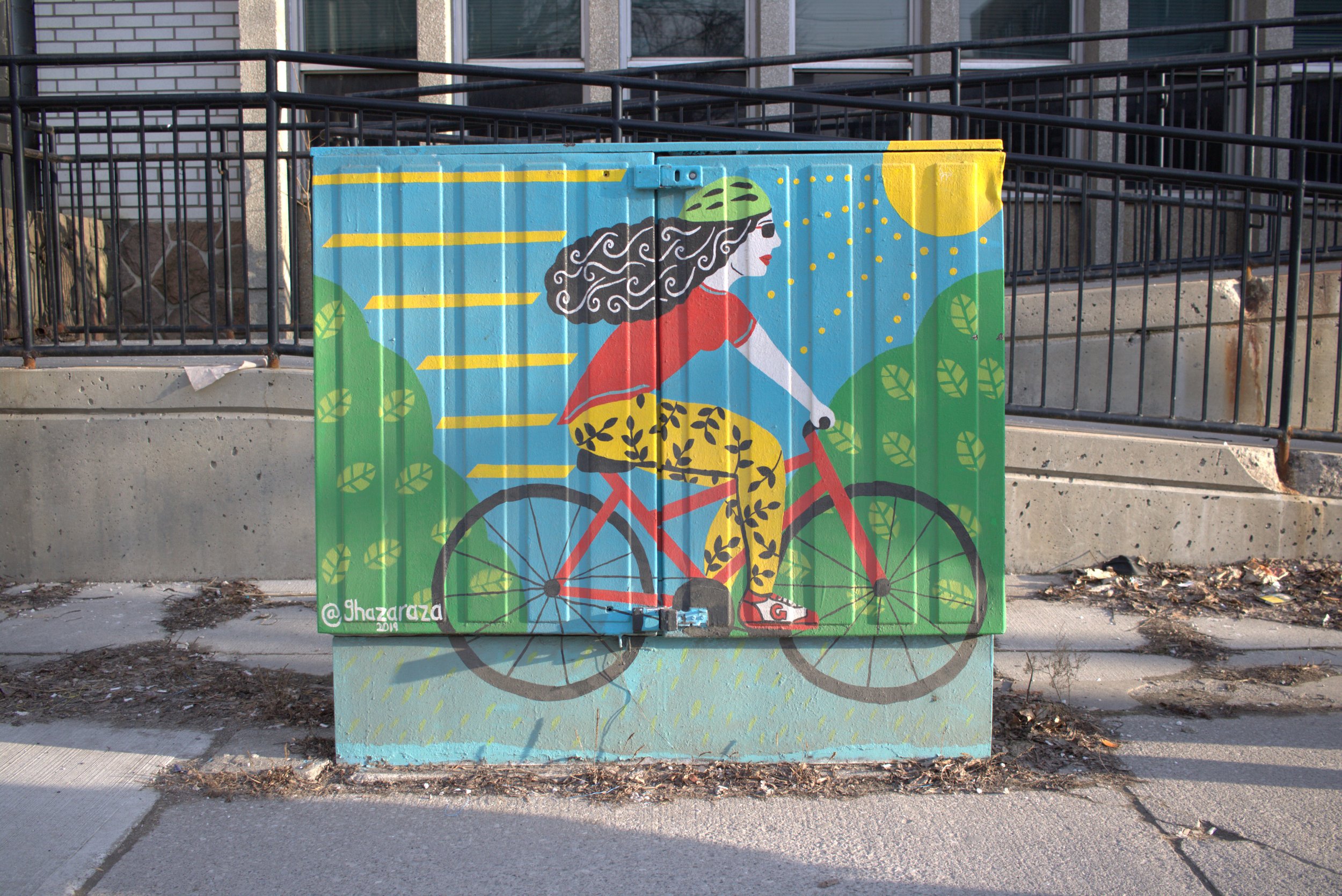
Mural art of a woman cycling on a traffic signal box. Photo taken by Nicole Roach in Toronto, ON.
Thank you for taking the time to read my reflections on discovering Toronto through Art. This project has been a meaningful part of my journey, helping me understand the city, connect with communities, and celebrate the stories that exist within everyday spaces.
A little about me: I am a youth advocate, storyteller, and artist who uses photography and creative expression to amplify young people’s voices in civic and community spaces. Originally from Afghanistan and now building my life in Toronto, my own experience as a newcomer has shaped how I see cities, not only as places made of buildings and infrastructure, but as spaces shaped by people, stories, and connections.
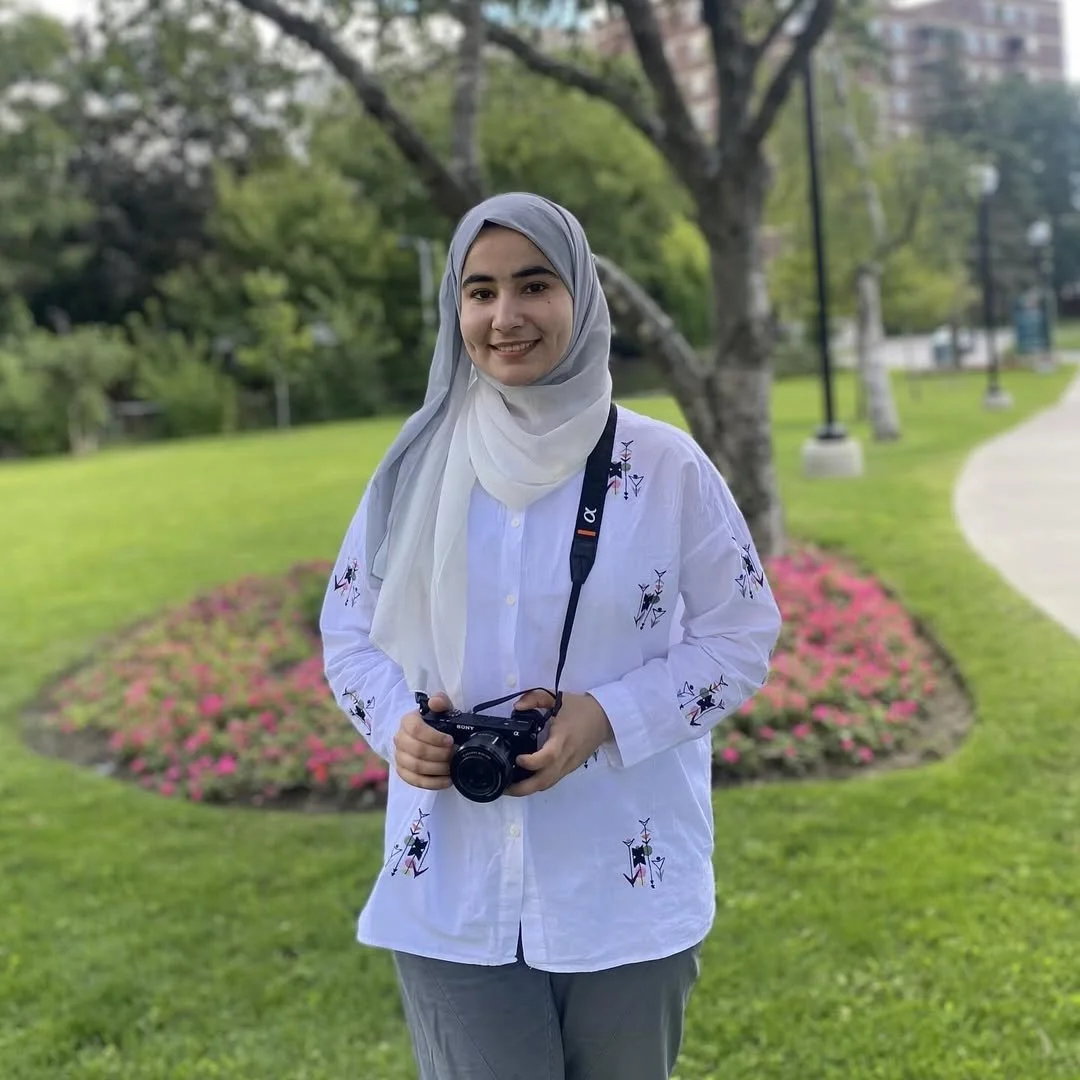
The author documenting Toronto through photography as part of her storytelling project. Photo taken by Salma Sidiqi in Toronto, ON.
Through storytelling and community projects, I explore how creativity can create belonging and encourage youth participation, equity, and inclusion. My work focuses on creating spaces where young people, especially young women and newcomers, can share their experiences and see themselves as active contributors to their communities.
After completing governance and leadership training through Rise on Boards - Fora: Network for Change, I joined Women in Urbanism Canada to continue learning about inclusive city-building and how creative perspectives can help shape more welcoming communities.
Through my work, I hope to highlight the power of storytelling in creating cities where diverse voices are recognized, valued, and included.
Arriving in a new city can be both exciting and overwhelming. Every street, park, and neighborhood holds stories waiting to be discovered, but it takes time to understand how they connect. When I first arrived in Toronto, I began exploring it through phone photography and art, not just to capture moments, but also to understand and connect with the city around me.
Through photography and art-making on my phone, I started noticing the small details that shape urban experience: the rhythm of busy sidewalks, the diversity of neighborhoods, the contrast between historic buildings and modern architecture, and the everyday moments where people gather, pause, or move through shared spaces. Each image became a way of reading the city not only as a place to live, but as a living environment shaped by people and their interactions.
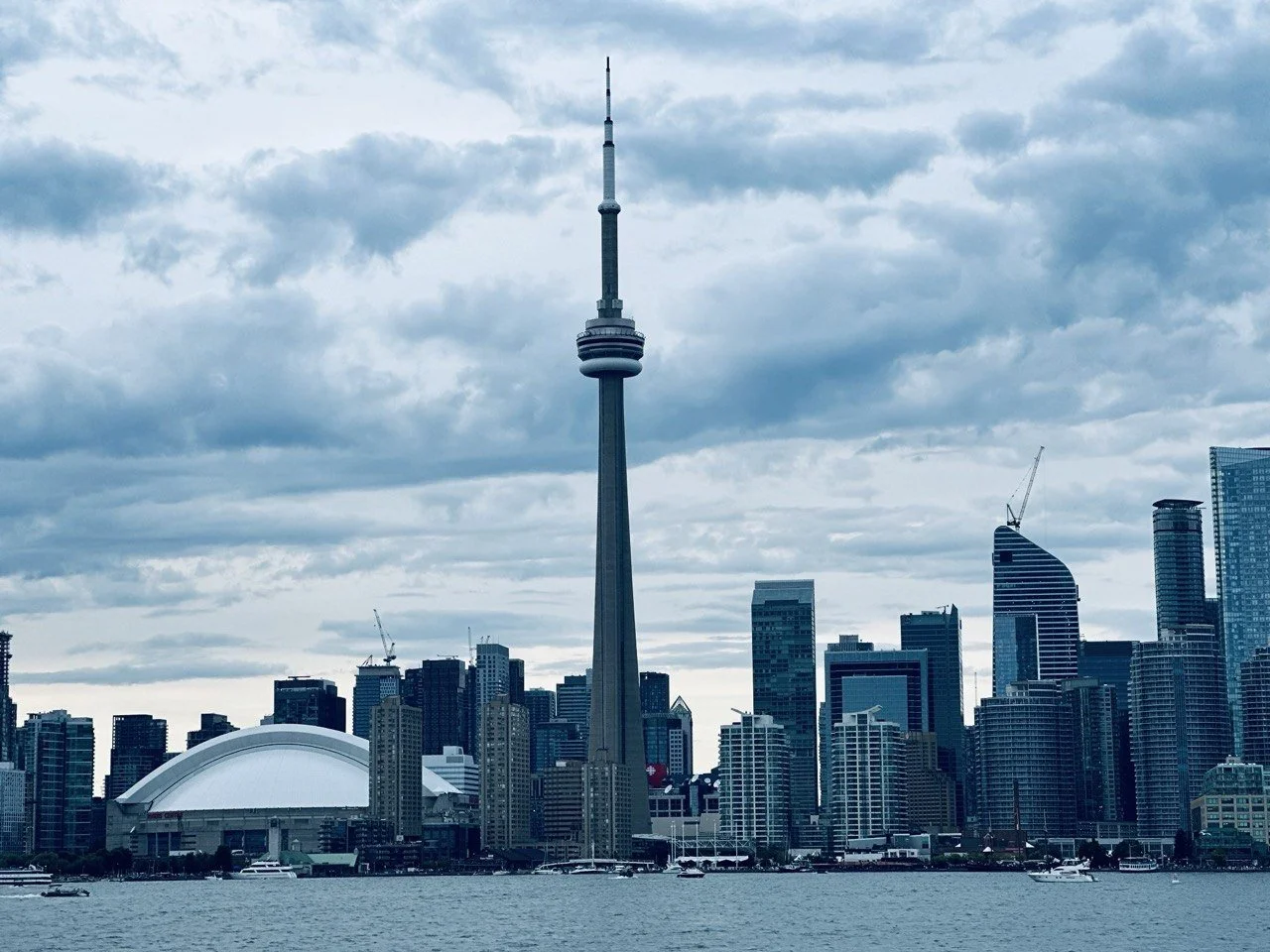
A view of Toronto’s skyline. Photo taken by Aisha Sidiqi in Toronto, ON.
Art, Photography, and Urban Understanding
Urbanism is often discussed in terms of planning, infrastructure, and policy, but art and visual storytelling offer another way of understanding urban life. They focus less on systems alone and more on the lived experience of how people actually feel, move, and connect within spaces.
Through my phone-based artistic practice, I began to see how public spaces influence everyday behavior and relationships. Parks, sidewalks, transit stops, and neighborhood streets all carry different energies. Some spaces invite gathering and interaction, while others are designed for movement and transition.
Art helps reveal these patterns in an immediate, personal way. It captures moments that might otherwise go unnoticed: a shared glance on a busy street, the quiet use of a public bench, or the layering of cultures within a single neighborhood. For newcomers in particular, this process becomes a way to make sense of unfamiliar environments. It allows us to build understanding through observation, reflection, and creativity.
My Exhibition with Community Partners
This journey began with an exhibition I created with the Arab Community Center of Toronto, where I used a professional camera to document Toronto’s neighborhoods, everyday moments, and community life. It focused on observing the city and how people move through and experience public spaces.

Celebrating the photography exhibition with participants. Photo taken by Aisha Sidiqi in Toronto, ON.
Later, the project continued with the YMCA of Greater Toronto, where I shifted to phone photography. Here, the focus was more personal and hands-on. I also helped teach 5 girls how to use their phones to share their own stories through pictures. It became a space for learning, creativity, and expression.
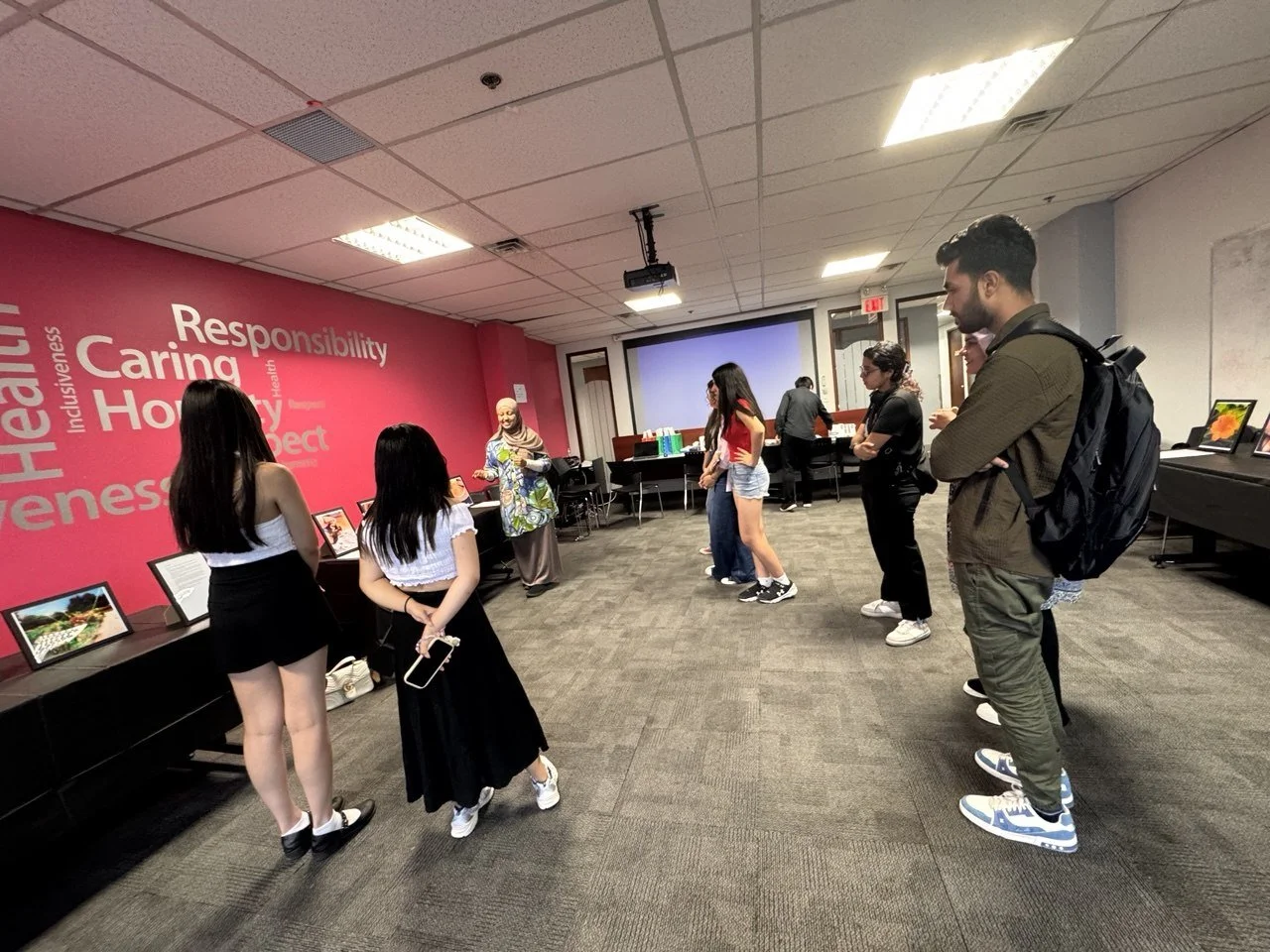
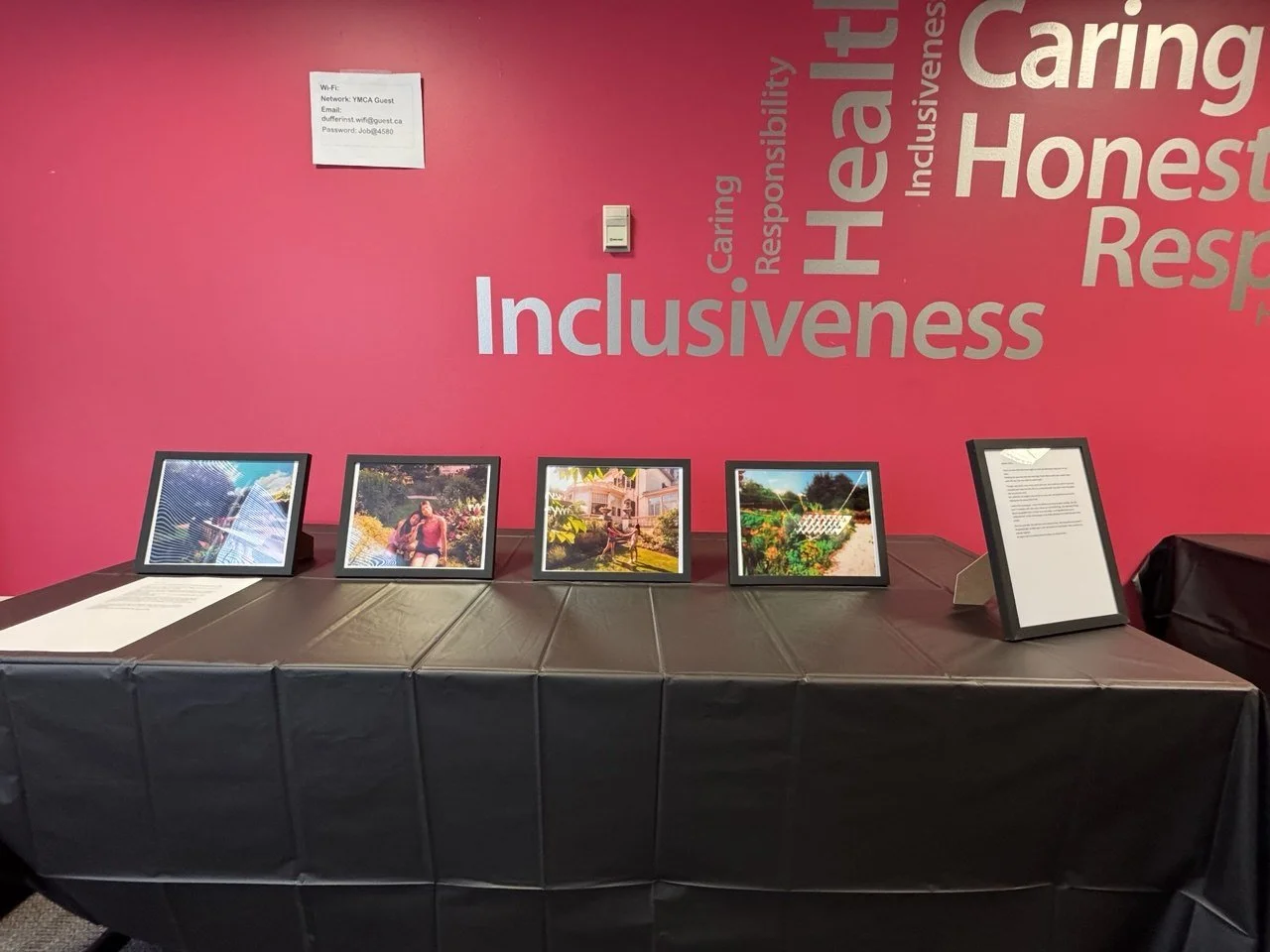
Both experiences explored Toronto as a city shaped by movement, diversity, and everyday interactions. From busy streets to quiet neighborhoods, each image reflected moments of curiosity and discovery.
The exhibitions also opened up conversations. People shared their own experiences of arriving in the city, building community, and finding their place, showing how different yet connected urban stories can be.
In the end, the work was about more than images; it was about how people experience and share the city in their own way.
Why Creative Perspectives Matter in Urbanism
As a member of Women in Urbanism Canada, I believe cities are best understood through multiple lenses, not only technical or planning-based ones, but also creative and lived perspectives.
Art, photography, and storytelling bring human experience into conversations about urban design. They help reveal how people actually use and interpret public spaces, where they feel connected, and where they may feel excluded or unseen.
Including the voices of newcomers, women, and diverse communities is essential to building more inclusive cities. These perspectives often highlight everyday realities that are not always visible in data or planning frameworks. Creative work makes these experiences visible, offering a more complete understanding of urban life.
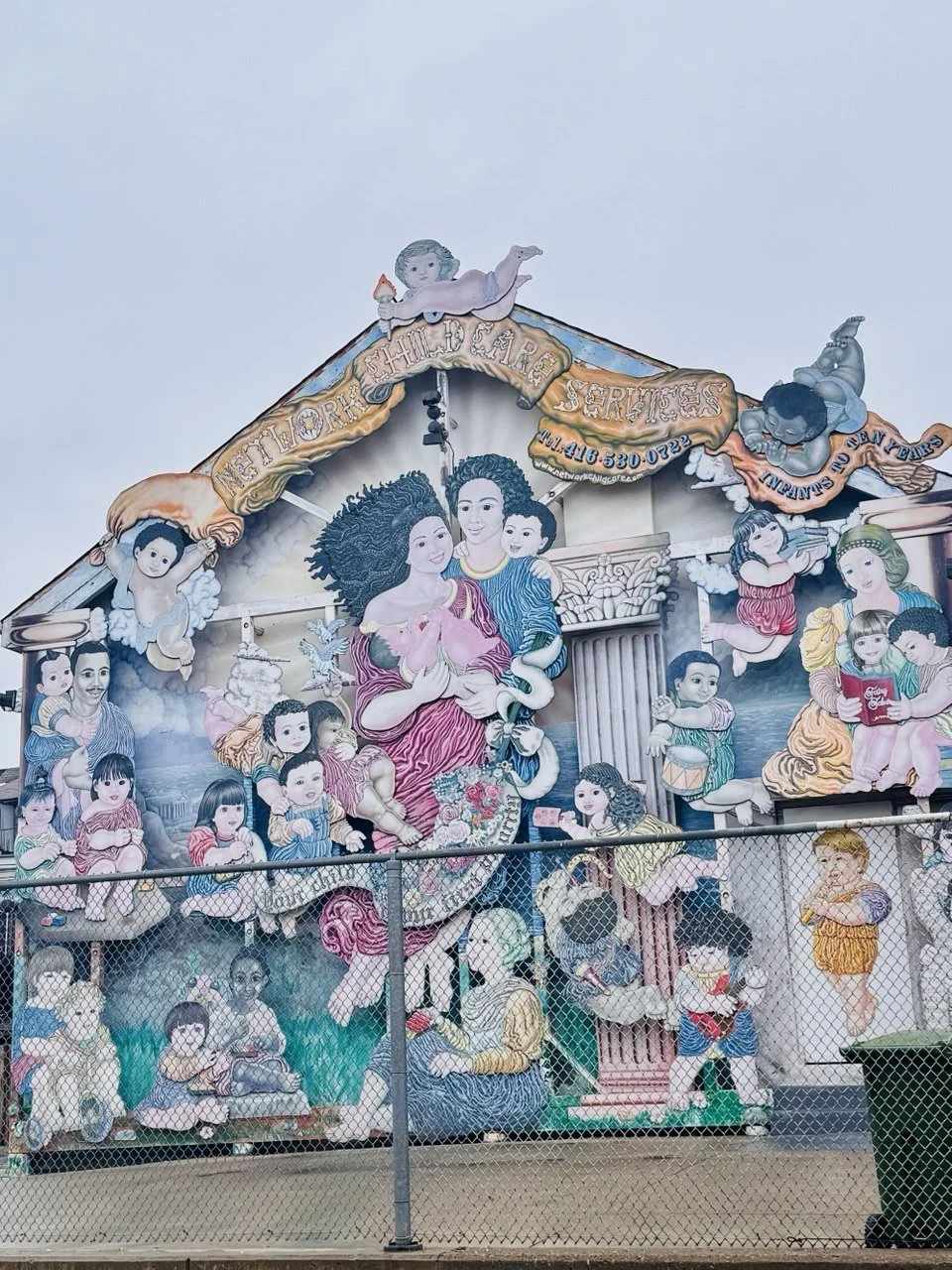
Community mural on a wall. Photo taken by Aisha Sidiqi in Toronto, ON.
Celebrating Connection and Belonging
Exploring Toronto through phone photography and art has been a journey of learning, reflection, and connection. It has helped me understand how a city functions not only through its physical structure, but through the people who bring it to life.
Every neighborhood, street corner, and public space offers an opportunity to observe, connect, and learn. Over time, these moments build a sense of belonging not instantly, but gradually, through experience and attention.

Aisha presenting her work at an exhibition at The Arab Community Centre. Photo taken in Toronto, ON.
Through this work, I invite others to see Toronto as more than a city of infrastructure and movement, but as a place of everyday stories, layered experiences, and evolving connections. For me, art has become a way to honor that complexity and to celebrate the experience of discovering a new home.