

Learn about gender equity & urbanism in the articles we write.
Here you’ll find stories, insights, and updates that reflect the work we’re passionate about. From practical resources to thoughtful reflections, our posts are here to spark ideas, share knowledge, and keep you connected with the conversations shaping our community.
Articles by Topic

How Hostile Architecture Harms Women
Hostile architecture creates exclusionary public environments, typically targeting the most vulnerable populations. This design practice creates spaces that are not comfortable for anyone to pause, linger, or relax in for extended periods of time. Here are six elements of hostile architecture and how they directly and indirectly harm women.

Discovering Toronto Through a Newcomer’s Lens: Art, Urbanism, and Connection
Through photography and storytelling, our board member Aisha Sidiqi discovers Toronto beyond its architecture, seeing a city shaped by people, cultures, and everyday interactions. This project reflects her journey and explores how art builds connection, belonging, and a more inclusive understanding of urban life.

Home Grown
Carmahn McCalla’s exhibit “Home Grown” explores the intersections of womanhood, Blackness, and nature, in Downtown Halifax.
Placemaking for Women
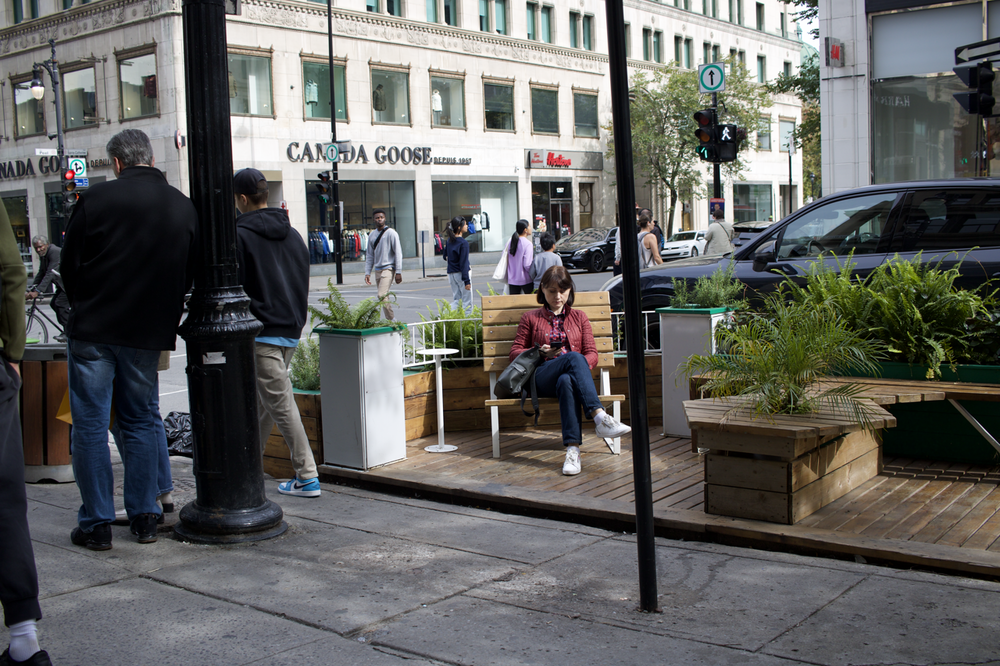
Cities have been designed without women’s experiences in mind for a long time, making public spaces feel unsafe or inaccessible. Placemaking with a gender lens centres women’s daily realities such as care work, mobility needs, and safety concerns. It calls for inclusive and supportive environments shaped through diverse voices. Designing for women ultimately creates cities that work for everyone.
How to Design Cities for Play
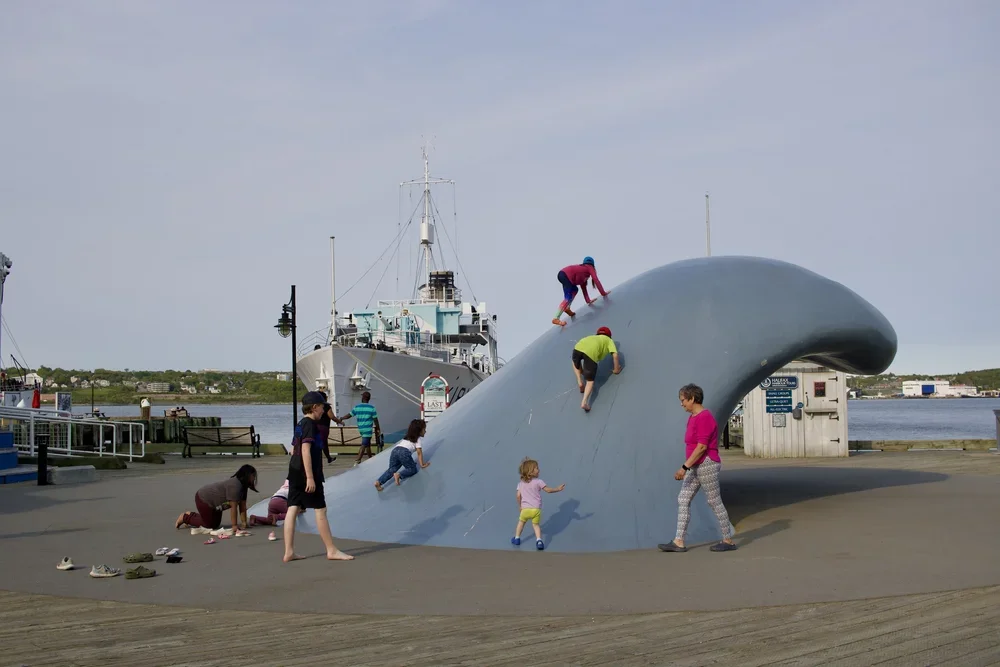
This photo essay shares examples from across Canada of creative ways that cities are incorporating play into their designs—for the kid in everyone.

How to Design Public Seating for Women
Public seating is critical in creating a welcoming, comfortable, and safe environment that people want to relax and linger in. Here are 8 characteristics of quality public seating that caters to the needs of women, girls, and gender-diverse people.

Event Recap: Gender-Based Placemaking at Edworthy Park
A brief summary of the virtual workshop Gender-Based Placemaking at Edworthy Park.

Why Public Washrooms aren’t Working for Women
Women have to go to the washroom more frequently, they have to wait in lines longer, and they spend more time using the washroom compared to men. Here are eight reasons why most public washrooms are not working for women.

Event Recap: Gender-Based Inclusion at St. John’s Park
A brief summary of the virtual workshop, some of the key takeaways, and the video recording.

Event Recap: Gender-Based Climate Adaptation at Point Pleasant Park
A brief summary of the virtual workshop, some of the key takeaways, and the video recording.

Queer Activism in Public Space
As recently introduced laws and policies across North America attempt to regulate queer people's access to healthcare, public space, and gender expression, the fight for representation and inclusion in cities continues.

Creating Gender-Inclusive Parks in Cities
We are excited to announce our three-part virtual workshop series based around themes of sustainability, inclusivity, and placemaking in public parks across Canada.

How to get Harassment off our Streets
Street harassment is pervasive in Canadian cities, creating unwelcome and even dangerous public environments for many women. Here are some urban design strategies for getting harassment off our streets.

How to Build Public Spaces for Teen Girls
Teen girls have unique needs and experiences that are often left out of our built environment. Explore three projects across the world as they share how they are transforming public spaces for teen girls (and how you can too!)

How to Create Parks for the People
Parks are typically designed to meet children’s needs, but how can these spaces also meet the needs of parents, teen girls, and the community? Folkets Park, also known as “The People’s Park”, demonstrates how.

Building Cities for Kids Benefits Everyone
Kids need safe ways to get around, close access to friends, and spaces for play. Building cities for kids makes them more fun, safe, and equitable for everyone.

Cold Places can Create Warm Public Spaces
Can a cold, snowy Canadian city be built for people? The Nestaweya River Trail reimagines what a winter city could be.